Over the years, the IT landscape of the Styrian Red Cross had grown – and was increasingly challenging to maintain. At the same time, the requirements for safety and availability are increasing, especially for critical emergency systems. The solution: a new, central server room that meets the highest standards and ensures data sovereignty on site.
The initial situation: Heterogeneous IT and increasing requirements
The Red Cross operates district and local offices in Styria, the Red Cross regional headquarters and the Red Cross rescue coordination centre housed there. The distributed IT infrastructure was at its limit. “Our old infrastructure was no longer able to cope with the current challenges,” explains Helmut Schellnegger, Regional Managing Director of the Red Cross in Styria. “We needed a centralized, professional solution that would protect our customers’ personal data locally.”
The Challenge: Modernization without Business Interruption
The new server room had to:
- Do not interfere with ongoing operations at any time
- Meet the highest security and availability requirements
- Ensure compliance with NIS1 and NIS2 guidelines
- Be scalable in the long term


The solution: A well-thought-out overall concept
After an intensive evaluation phase, the IT team decided on the family-owned company EPS Electric Power Systems. “EPS was the only supplier who presented us with a complete solution that was both technically clean and structurally realistic,” says Dietmar Müller-Kulmer, head of the ICT department.
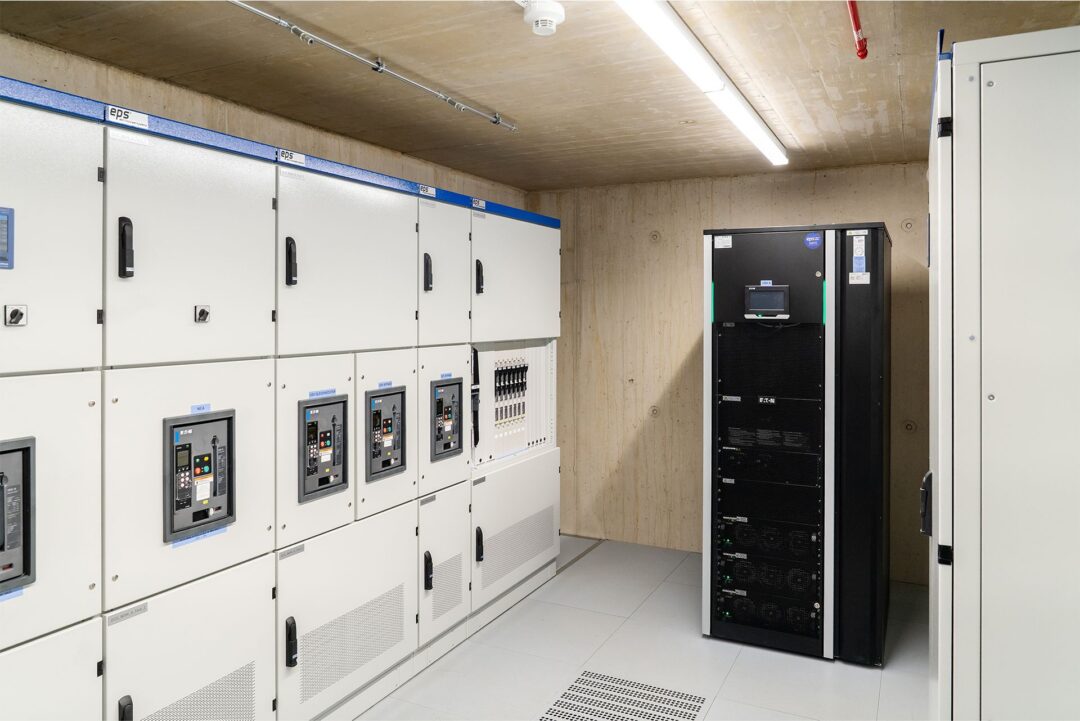
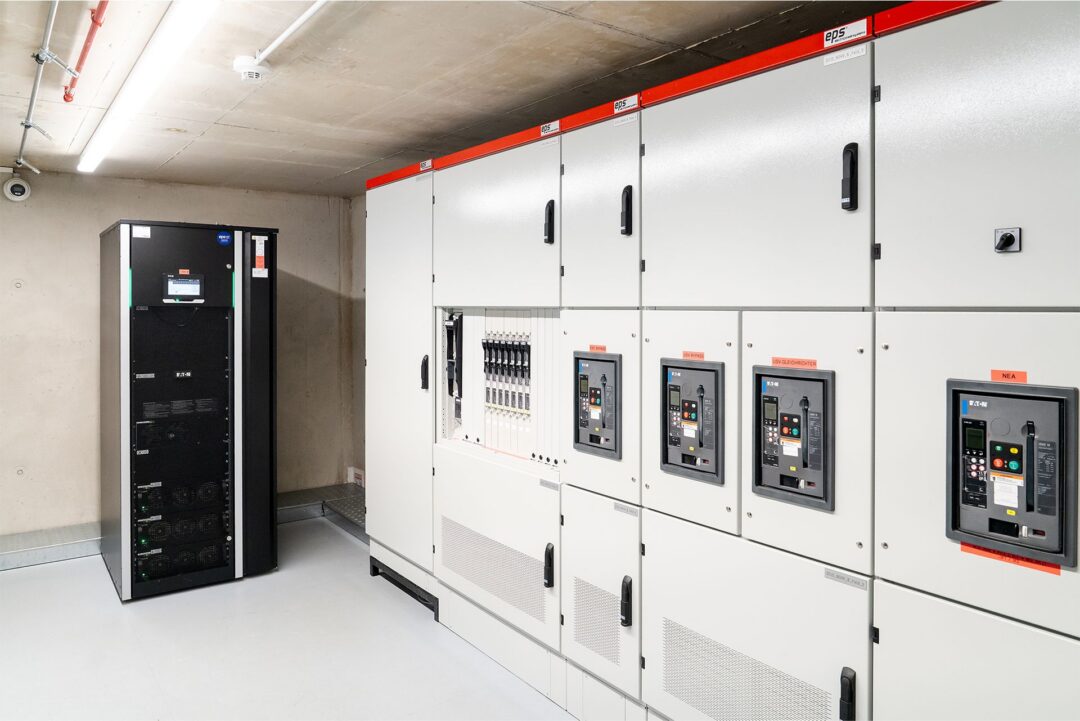
The new server room includes:
- IT-White and Grey Space with protection zone concept
- Full 2N redundancy
- RCS server racks to increase energy efficiency
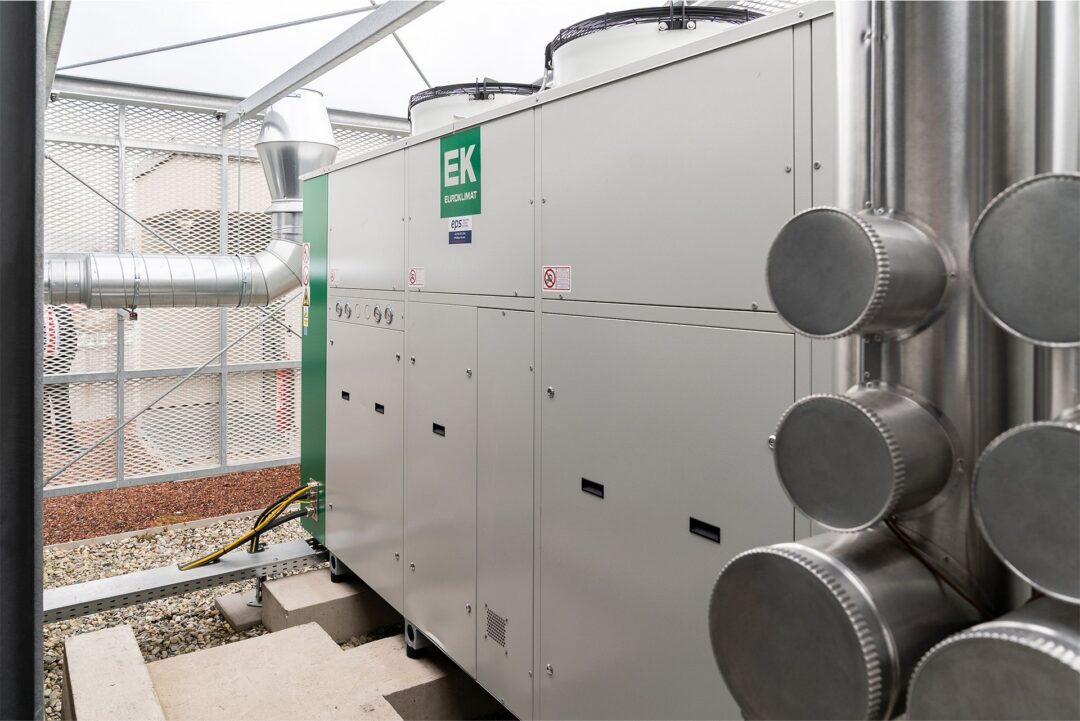
- Sustainable air conditioning with indirect free cooling and propane as refrigerant (R290, GWP 0.02)
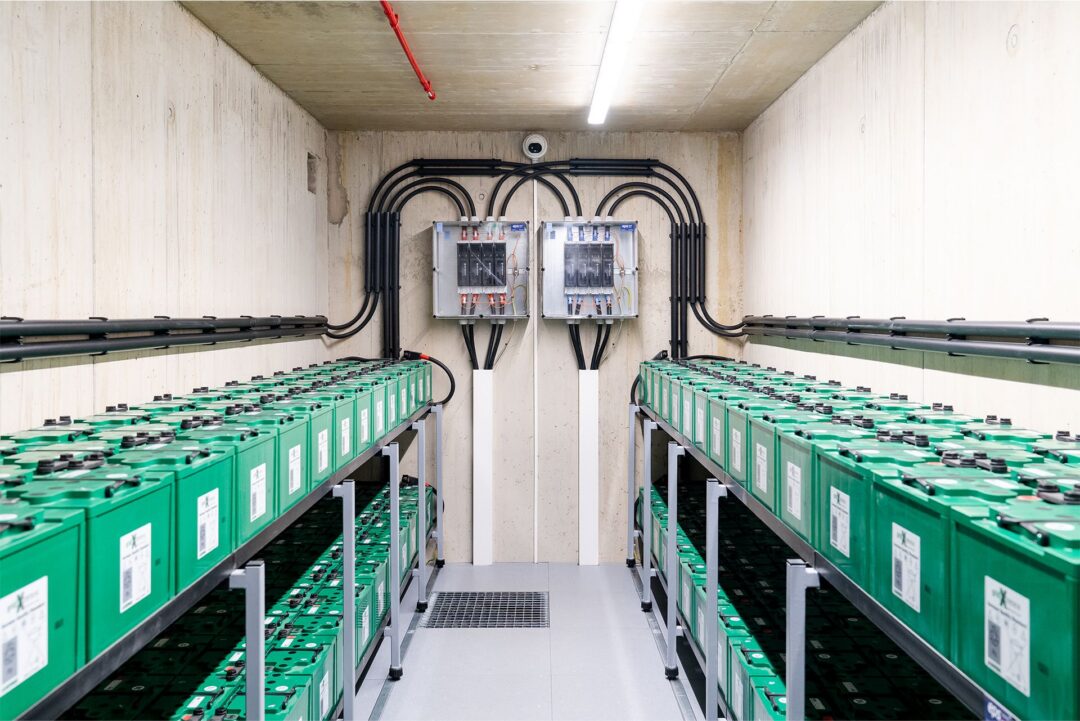
- Modular UPS systems and separate battery rooms
- Modern security technology including early fire detection and access control
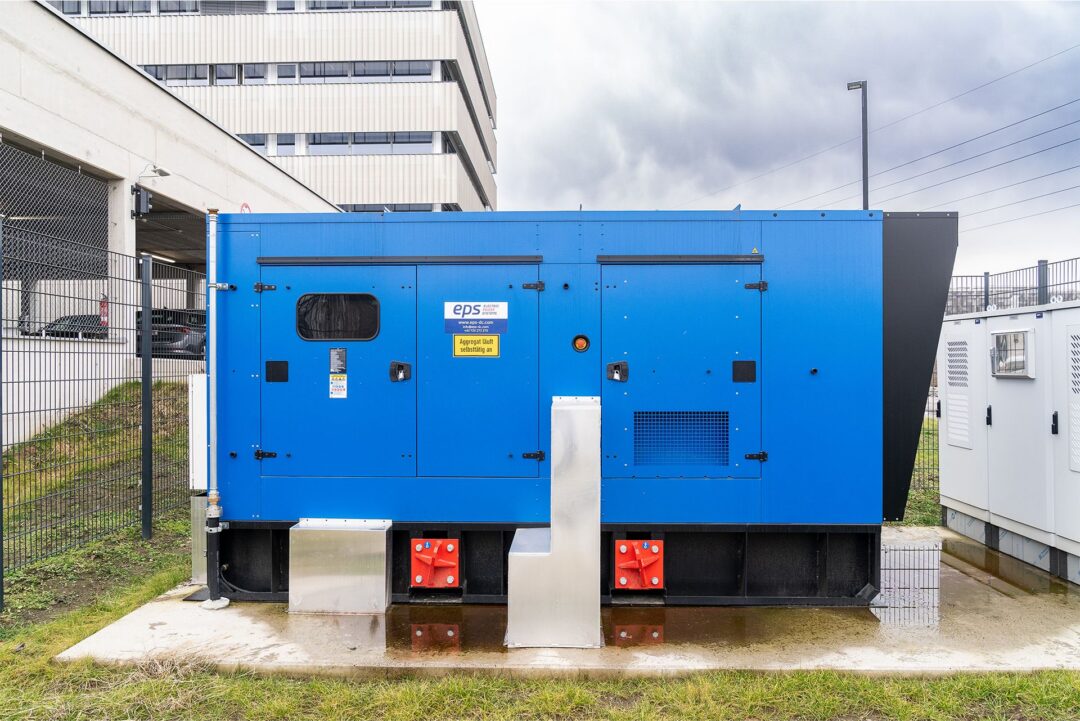
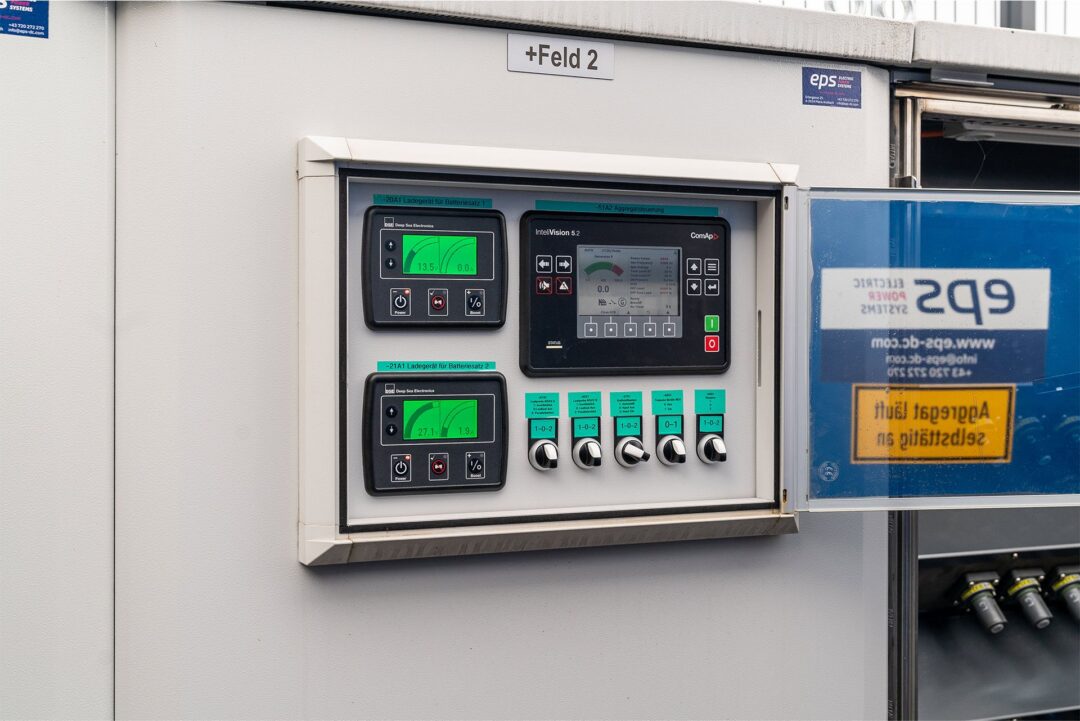
- IT emergency power system for grid-parallel operation
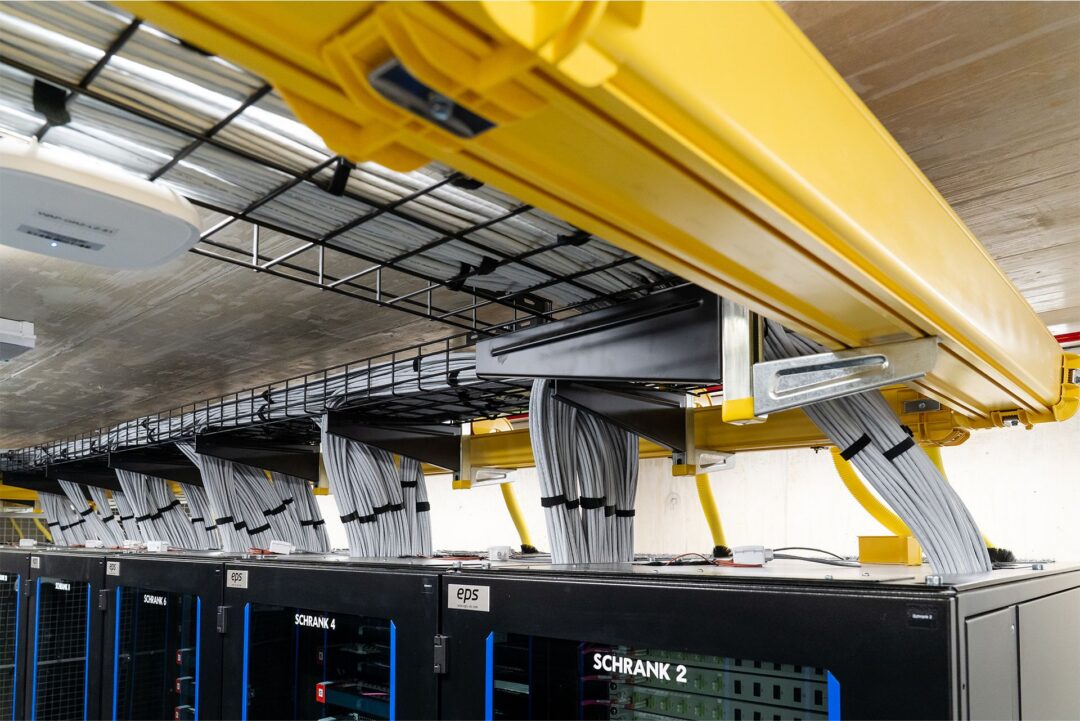
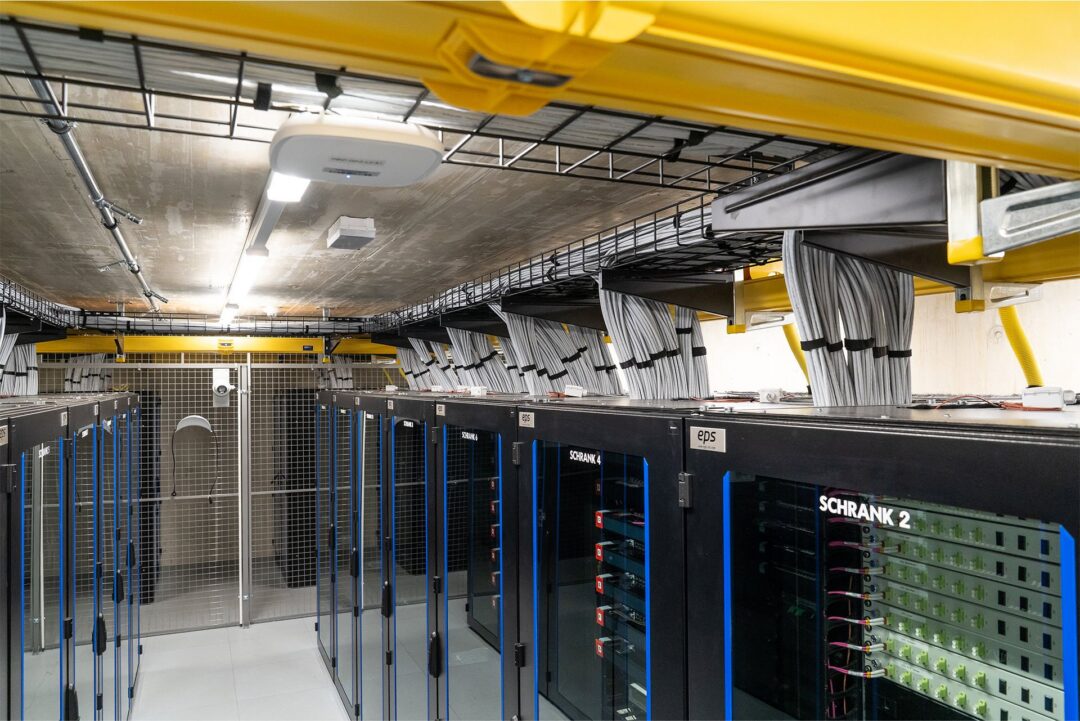
- Structured Cat 8.1 + OM4 data cabling
- an overarching monitoring and fault reporting system
The holistic view was particularly valuable: not individual components, but the entire system was planned as a functioning unit.
Implementation: Precise and solution-oriented
It took around four years from planning to commissioning. Despite structural challenges, the project went smoothly.
“Of course, there were topics – they exist in every project. But EPS solved them quickly and pragmatically,” emphasizes Felix Kapper, Head of the Department for Fleet & Central Service of the Styrian Red Cross.
The result: stability, security and future viability
Since commissioning, the benefits have become clear:
- Greater stability of all critical systems
- Central, efficient administration
- No malfunctions or failures
- Improved energy efficiency
- More safety for emergency systems
“Anyone facing a similar project should be critical, ask a lot of questions – and work with people who have good answers to even difficult questions,” says Kapper.