

Why small and medium-sized companies need an “electricity superheroine”
If I had to explain to a 5-year-old child what a UPS system is and how it works, I would tell something like this:
“A UPS is like a superpower that steps in when the power is suddenly gone – and ensures that important equipment continues to run.”
This is exactly what a UPS system (UPS: Uninterruptible power supply) does. And that’s exactly what many small and medium-sized companies need.
What is a UPS – and why is it so important?
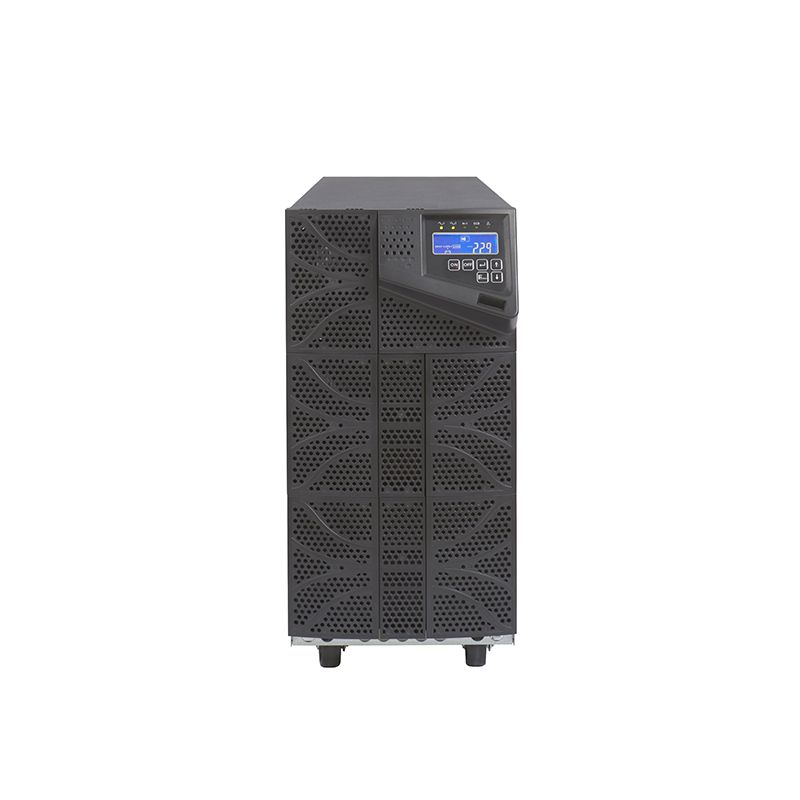
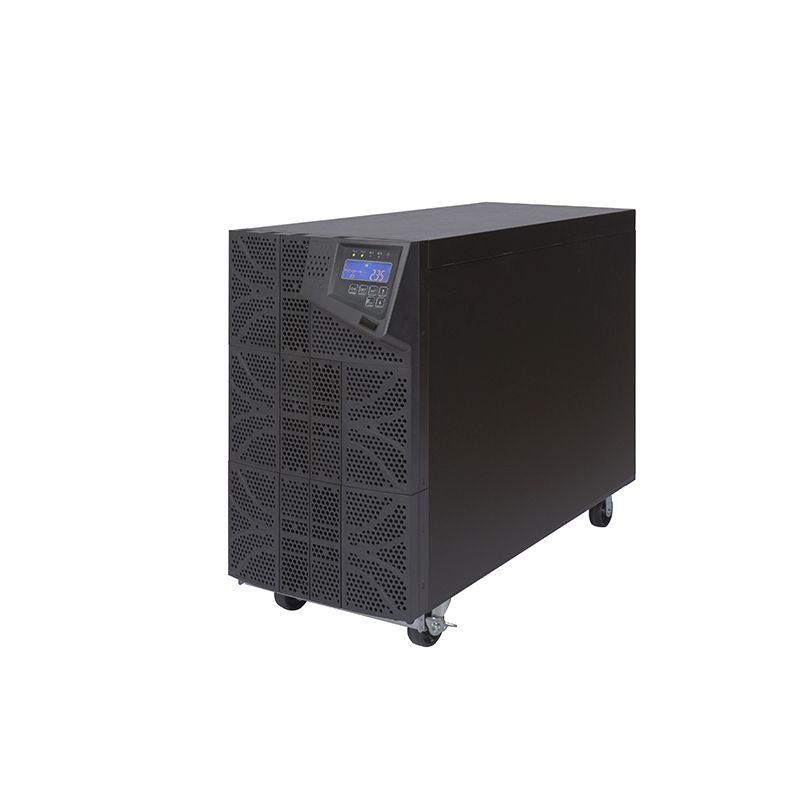
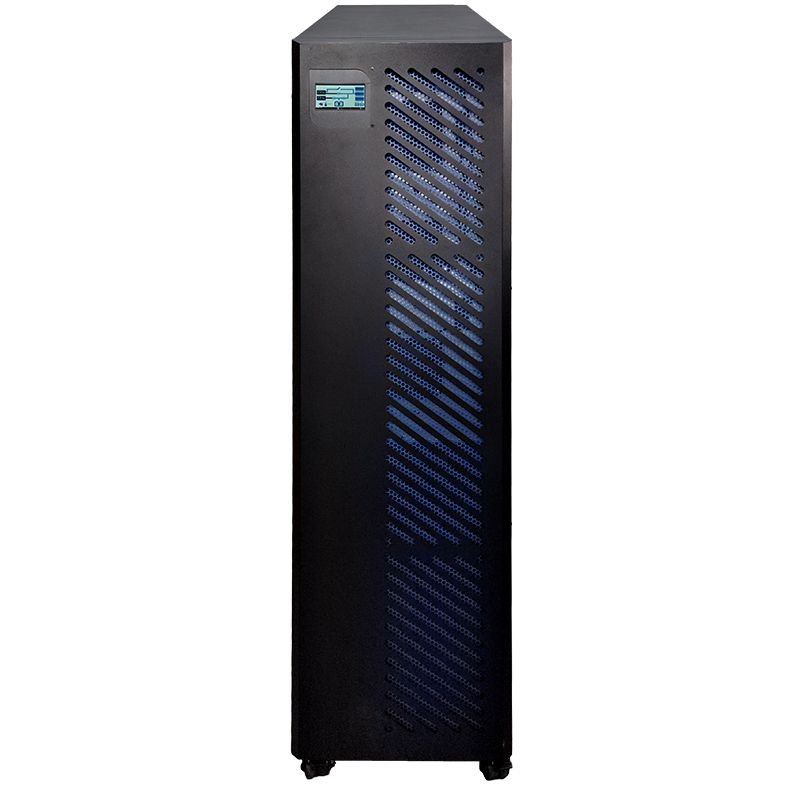
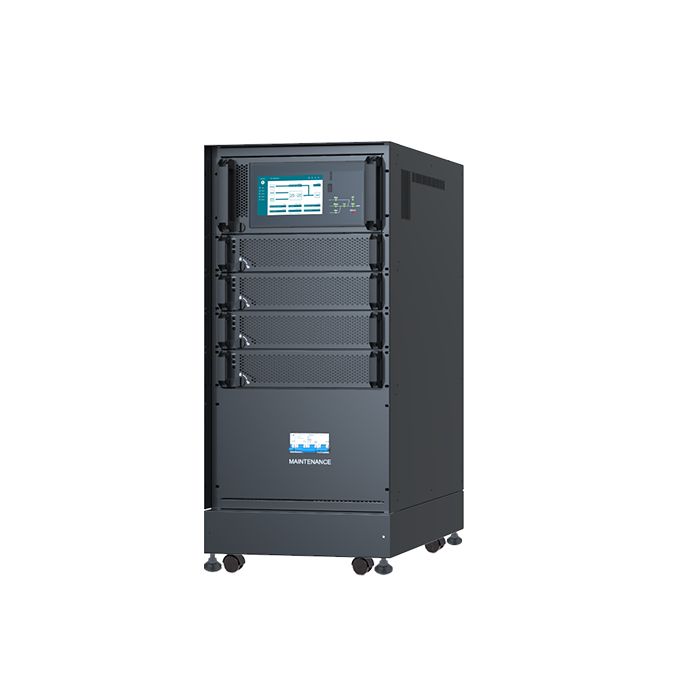
A UPS is a device that stores electricity and provides it immediately when the normal power supply fails. No waiting, no flickering, no restart – it kicks in in milliseconds.
For a child, this would be like the lights going out in the children’s room, but a magic lamp goes on immediately before it even gets dark.
For companies, this means:
- Servers remain online.
- POS systems continue to run.
- Telephone systems do not break down.
- Production machines do not stop suddenly.
- Data is not lost.
Why small and medium-sized enterprises in particular benefit
Large corporations often have their own emergency power systems or entire data centers. Smaller companies, on the other hand, are much more vulnerable.
A UPS provides special protection:
- Medical practices
- Law Firms
- Craft businesses
- small production companies
- IT service providers
- Gastronomy & Retail
For many of these businesses, a single power outage can mean:
- Loss of revenue
- Damaged devices
- Data loss
- angry customers
- Failure of online systems
Power outages happen more often than you think
The regional power outage in Berlin recently showed how quickly things can happen. An excavator, a technical defect, a storm, an act of sabotage – and suddenly entire streets are in the dark.
For private individuals, this is annoying and dangerous. It can threaten the existence of companies.
A UPS ensures that:
- Computer does not crash
- Databases will not be corrupted
- POS systems continue to function
- Keeping alarm systems active
- Routers and Internet stay online
Even if the power is only gone for a few seconds, it can be enough to damage systems without a UPS.
What are the specific advantages of a UPS?
- Immediate bridging in the event of a power failure
Like an airbag for the power supply.
- Protection against voltage fluctuations
Many devices do not break down due to a power failure – but due to small “power hops”.
- Time for safe shutdown
Servers can shut down in a controlled manner without data loss.
- Data corruption protection
Especially important for accounting, ERP systems, customer data.
- Low costs – great benefits
A UPS is often cheaper than a single day of downtime.
A UPS is not a luxury, but a must
Especially for small and medium-sized companies, a UPS is:
- a protective shield
- a data saver
- a company rescuer
- a haven of peace in chaotic situations
It ensures that a power outage does not become a business risk.
What UPS systems are there?
UPS Type | Simply explained | Pros | Cons | Ideal for |
Offline / Standby UPS | “A little helper that sleeps and wakes up only when the lights go out.” | Simple; Suitable for short outages | Responds more slowly; No protection against small current fluctuations | Individual workstations; cash registers; Router; small offices |
Line-Interactive UPS | “A helper who is awake and notices when the electricity is shaking – and helps immediately.” | Quick response; Protection against voltage fluctuations | Not suitable for large server rooms | SME servers; NAS systems; telephone systems; Small IT rooms |
Online UPS (double conversion) | “A superpower that always makes electricity – no matter what happens outside.” | Highest protection; No switching time; Ideal for critical systems | Higher power consumption | Data centers; medical devices; critical infrastructure; Production Machinery |
Would you like to share your opinion or experience with UPS systems with us?
Contact us! We look forward to a lively exchange of views.